Sustainable Design Trends

Designing Your Modern, Sustainable Dream Home in Vermont: A Step-by-Step Guide with Arocordis Design

Designing Your Modern, Sustainable Dream Home in Vermont: A Step-by-Step Guide with Arocordis Design

When it comes to building a new home, it's important to work with an architect early on in the process. At Arocordis Design, a Vermont residential architecture firm, we have guided local families since 2010, through the planning, design, and construction of modern, sustainable homes. By working with us from the beginning, you can help maximize your investment and achieve the home of your dreams.

async src="https://www.googletagmanager.com/gtag/js?id=UA-26065156-1">

The Classic Appeal of Modern Farmhouse Architecture in Vermont  

The Classic Appeal of Modern Farmhouse Architecture in Vermont  

Modern farmhouses are common in new home construction in Vermont. That is because long ago in the mid-1800’s farmers adopted an innovative contemporary style of farmstead design called the connected L or “ell”. It arose in New England then to support a wider range of farming and work activities at the farm and responded well to the harsh cold climate. Examples dot our green mountain state today. That heritage borne on practicality and innovation infuses the spirit of the modern farmhouse designs of today.

Its classic, connected forms attract clients. It also connects to the history and traditions of our working landscape of Vermont. It stays popular because….

async src="https://www.googletagmanager.com/gtag/js?id=UA-26065156-1">

11 Strategies for Climate Positive Residential Architecture and Planning in Vermont and our Region

11 Strategies for Climate Positive Residential Architecture and Planning in Vermont and our Region

Sustainable climate-positive residential architecture and planning minimize the negative environmental impact of buildings and structures. It also reduces greenhouse gas emissions and can contribute to the reversal of climate change in Vermont and our region. To achieve these results, we advocate and use these key sites and building design strategies in our work. They include….

async src="https://www.googletagmanager.com/gtag/js?id=UA-26065156-1">

Working with us: Modern inspired architecture with soul.

Working with us: Modern inspired architecture with soul.

Looking for a creative architect in Vermont to help you with your home design and planning project? Read on for more about Arocordis Design, how we work and why working with professional architects matters. With costs so high with often limited availability of homes to buy and fixup or land to buy to build on, expert assistance can really help. Read on for more.

async src="https://www.googletagmanager.com/gtag/js?id=UA-26065156-1">

Green Home Design Trends in Vermont: An Overview

TRENDS IN HOME DESIGN IN VERMONT

Are you looking to design and build a new home, or a major renovation or addition in Vermont? Are you curious about current trends in modern green home design to consider when working with an architect but do not have the time? While working with recent clients and surveying the marketplace, we have collected together some insights you might find helpful to make that easier. There is a lot going on right now with exciting innovations. Let's look together.

With home design trends, Vermont is well ahead of the curve. As a state, we have always been at the forefront of environmental consciousness and that extends to our homes as well. We see a move away from traditional home design and forms, with an embrace of more modern styles that reflect changing Vermont values. These new designs may be rooted in the traditional forms of Vermont barns, and farmhouses, but look also to modern forms, materials, and approaches fusing together old and new.

MODERN AND GREEN

Across the generations seeking residential architectural design in Vermont and nationally, there is growing interest in modern spirited design from the mid-20th century. Perhaps it is nostalgia for earlier, simpler times or less adorned home design? It is hard to tell. However, this approach and style align well with interest in green eco-conscious home design with a less is more approach.

NATURE NEAR - CONNECTING WITH THE LANDSCAPE

One of the most important aspects of any home design is how it interacts with its surroundings. With its hills, valleys, mountains, and water bodies, Vermont has some of the most beautiful natural scenery in the world. This is especially so in our more rural areas, but also in our cities and villages. In Vermont, take advantage of this to not only fit in but also enhance their surroundings. Some trends to consider are capitalizing on exterior views in interior space and deck design, creating outdoor rooms for leisure and sports activities by planting trees and vegetation and using local fieldstone with native plantings for outside terraces and walls.

SMALLER HOME SIZES

Another recent trend involves homes' size and changing patterns of use. Here in Vermont, we see a move away from large McMansions and a return to smaller, more efficient homes that make the most of their environment. For example, many of the new homes we design range in size from 2 to 4 bedrooms and 1,000 to 2,500 square feet above ground space. See Fieldhouse, Wing-house, and Mountain-Meadow NetZero Ready for examples.

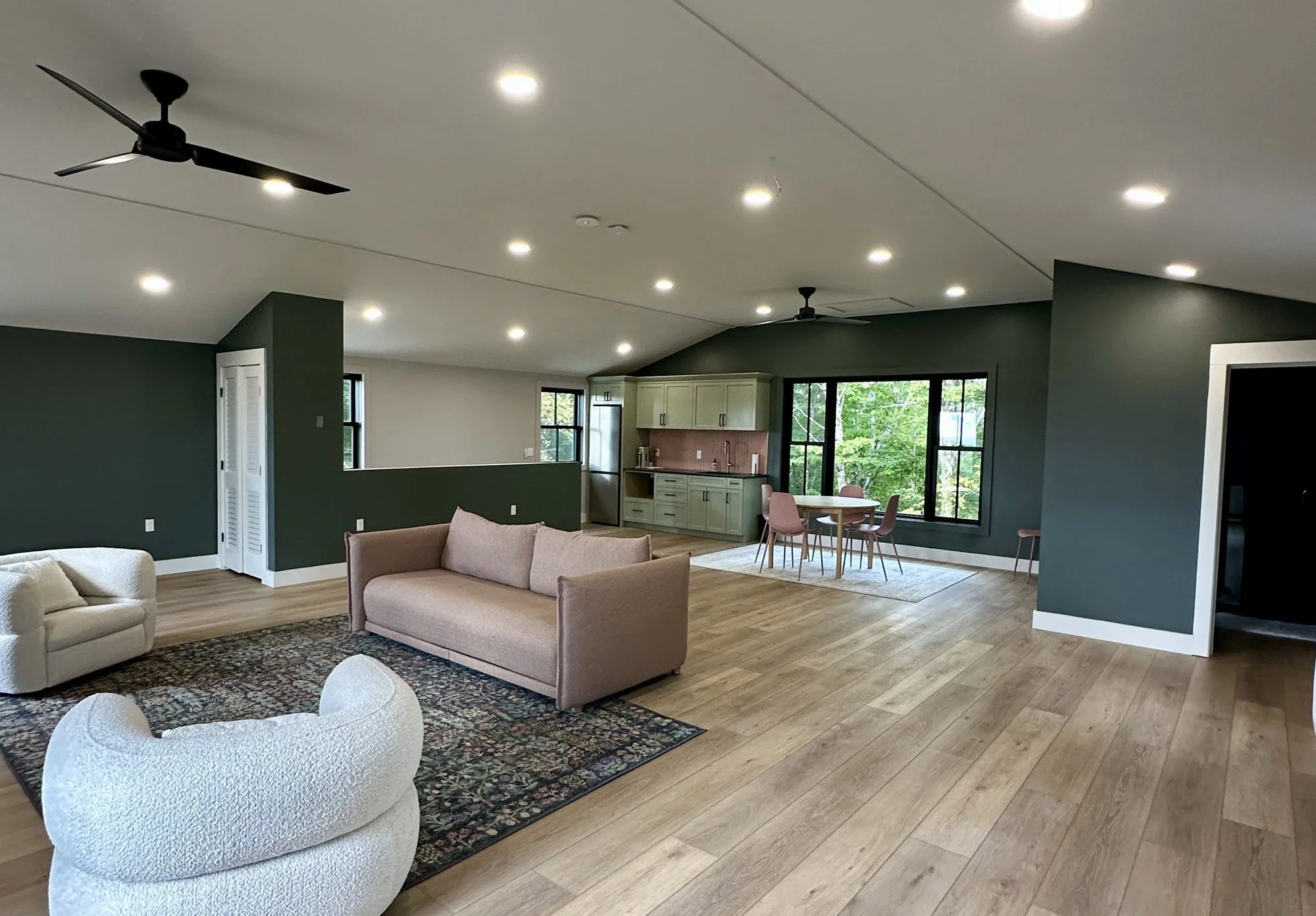
Along with smaller size, with our work with clients, we continue to see a demand for flexible living areas unified by airy open ceilings combining kitchen, dining, and easy-living spaces. Increasingly, clients need to work or do school-type activities at home with the growth of remote work because of the Pandemic. Bonus spaces over garages or in full or partial basements help supply needed space for these new patterns.

CO-LIVING AND ACCESSORY DWELLING UNITS

Another changing home use pattern involves co-living and accessory dwelling units. Also can include multiple generations or siblings together. With Vermont's recent radical increases in housing costs and costs of living, some clients seek to welcome additional family or friends to live with them and share their homes. It is called co-living. This means multiple generations living together under the same roof and sharing resources. This may include older parents coming to live part-time to help with young children, recent working college graduates wanting to save money, or close to retirement age and wanting to downsize from larger homes.

Enhancing co-living options may involve adding to an existing home with a self-contained living unit, or sometimes, a detached accessory dwelling unit. An added side benefit where permitted, homeowners can rent these spaces out to guests for extra income using Airbnb or VRBO or similar.

SMARTER ECO-CONSCIOUS SYSTEMS

With our cold winters and eco-oriented culture in Vermont, there is a big focus on building for energy conservation and energy efficiency. Our residential building code mandates it in fact. The code minimum today is 50% better than it was 20 years ago. This impacts insulation levels of walls, slabs, roofs, windows heating, and cooling systems. With the market and advances in the energy code, we continue to see a move away from traditional heating systems such as oil and propane and towards greener alternatives. They can include geothermal, ground source or air-to-air heat pumps, and solar, with innovations such as whole-home batteries.

The batteries also offer a practical alternative to diesel generators to help power homes during power failures driven by Vermont's weather. With the cost of these systems coming down and builders' familiarity with these systems, it is now more affordable than ever to heat your home sustainably. These systems also help homes be more adaptive to climate change and increase the resiliency of your property.

Those system choices are further improved when combined with better windows and doors, more exterior insulation, and attention to air sealing. Also, whole-home ventilation, and careful attention to selecting low-embodied carbon materials further help to improve comfort, health and wellbeing, and climate-positive integrated design.

Thinking local

Thinking and acting locally is another trend that is also good for the planet and local communities. In the interior of your home, there are many Vermont-made products that can help make your home not only beautiful but also eco-friendly. We continue to see a trend toward using more local and sustainable materials such as wood, stone, paints and coatings, and countertops. In fact, like our world-class scenery, we have world-class local craftspeople and makers that help local builders supply competitively priced custom cabinets, decorative metal railings and fixtures, stonework, lighting fixtures, and more. These materials not only add beauty to your home but also help reduce your carbon footprint and keep dollars in our local communities.

Landscape informed colors

There is also a trend toward using more natural colors and finishes that reflect the Vermont landscape and its four seasons. We are seeing a move away from synthetic materials and towards natural fibers such as wool, cotton, and linen. These materials not only look and feel better but are also better for the environment.

Hybrid building approaches, Stick-built and Prefab

Given the scarcity of local labor, busy firms, and high costs of residential construction, we see the trend continue to embrace mixed approaches to building. This includes the use of prefabricated and modular elements along with traditionally onsite stick-built custom construction. Builders we work with can build more projects at a higher quality level with this approach. Prefab and modular construction offer the option to build portions of a home in the controlled conditions of a factory or shop. This can allow builders to build projects more quickly and or free up onsite staff to focus on higher quality finish work inside the home or around it. We see this trend continuing in the years ahead.

Energy efficient appliances

Finally, we are seeing a trend towards using more energy-efficient appliances and fixtures in the kitchen and bathrooms. These products not only save you money on your utility bills but also help to reduce your carbon footprint and reduce water usage. On the trend with smaller home design, there is a growth in compact, space-saving, or stackable low-water and electricity-using models.

So, if you are looking to build or renovate your home in Vermont, there are many exciting trends to consider. These trends not only reflect our Vermont values but also help to make our homes more sustainable and energy-efficient. If you are interested in learning more about these trends, or if you would like help designing your dream home, major renovation, or addition, please contact us. We would be happy to help you navigate the exciting world of modern green home design.

Thank you for taking the time to read this article! We hope this was informative. If you have questions, please contact us. We would be happy to help in any way we can.

Learn more

Or if you would like to return to our portfolio of projects and see new and recently constructed work, please click on the below.

Our Portfolio
async src="https://www.googletagmanager.com/gtag/js?id=UA-26065156-1">

Field House

Field House

BEGINNINGS

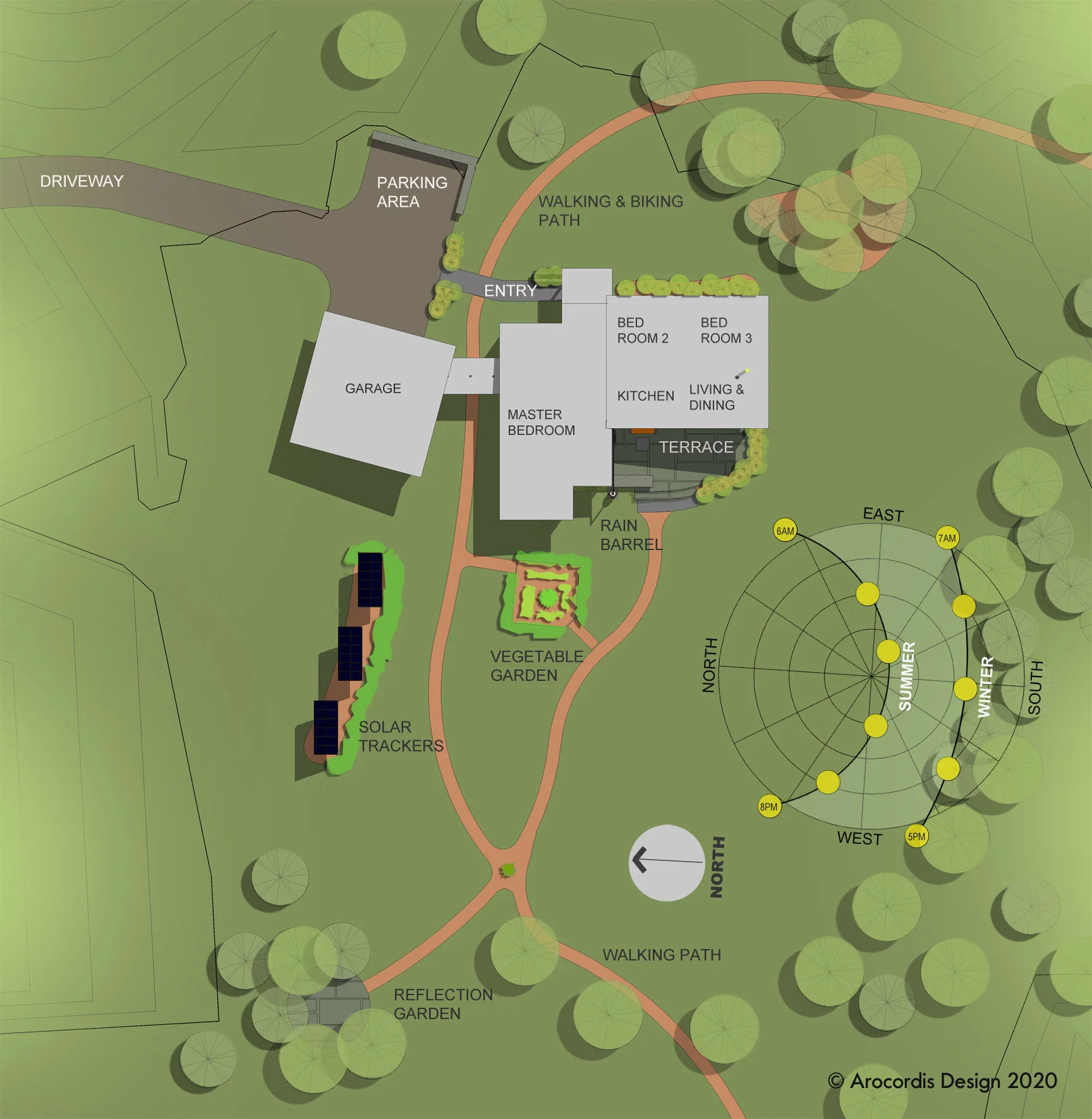
Late last year a couple approached us to adapt our Inside-Out House, a net-zero-ready prototype home design we created a few years ago to their land in southern Vermont. We enlarged and customized it to suit their family needs and design goals. Along the way, we pushed the home design in some innovative directions that we share below. We call this home design FieldHouse.

THE SITE

Located on 60 mostly wooded acres in the Upper Valley area in Vermont, our clients selected a forested edge that spilled out onto….

async src="https://www.googletagmanager.com/gtag/js?id=UA-26065156-1">

Master plan for success your home design and renovation project

Master plan for success your home design and renovation project

Thinking of renovating, putting on an addition, or building a custom-designed new home?

Continuing the planning theme from the previous post please enjoy the following short video where we explain the ins and outs of residential master planning.

In the process or just starting, If you are located in Vermont or own property here and you want to get residential work done during next year’s building season, there is no time like the present to start

async src="https://www.googletagmanager.com/gtag/js?id=UA-26065156-1">

Recent Project: A New England Carriage House on Lake Champlain

Recent Project: A New England Carriage House on Lake Champlain

A Sort of Homecoming presented it self this summer….read on for more.

async src="https://www.googletagmanager.com/gtag/js?id=UA-26065156-1">

Inside Out Home

Inside Out Home

A new small prototype green home we have in design. 1,300 sf +/- of single level living space, 2 bedrooms, flexible kitchen-dining-living area whose space extends to a generous terrace and pergola. The single living level recognizes the growing need for homes allowing older homeowners age in place, reducing the need to further downsize....;

async src="https://www.googletagmanager.com/gtag/js?id=UA-26065156-1">