Is your home a source of stress or a sanctuary? Discover the principles of The Intuitive Home by Arocordis Design. From acoustic zoning to flicker-free lighting, this Vermont architect’s guide explores how to create a 'Sensory Friendly Home' that supports Autism, ADHD, and Aging-in-Place for a lifetime of well-being.
Is it the Economy or the Algorithm? Why We Are Rethinking How We Connect Online
The Sound of Silence: Diagnosing the Drop in Inquiries
For a boutique architecture firm like us, the "canary in the coal mine" is the inbox. Recently, we noticed a trend that gave us pause. Despite maintaining our Google Ads spend, keeping our Google Business Profile updated, and sharing our work on social media, the project inquiries weren't coming in at their usual pace.
It is easy to jump to the scary conclusion: Is the Vermont economy turning downward? Are homeowners pulling back on renovations and new builds? What is going on this year?
Arocordis: Our Modern Vermont Home Design Update (Fall 2025)
Harvest time
Harvest Time - Fall brings the gifts of the season forward. So to do we with an update on recent work here in Vermont, some in design, others under construction or now finished. We are grateful to help our clients and their families into their next stage of life with their additions, renovations or new custom designed homes.
Independent Yet Together: Planning Multi-Generational Homes in Vermont
Across Vermont, from the Champlain Valley, Central Vermont, to the Northeast Kingdom, families are rediscovering the benefits of living together, spanning generations under one roof. Whether it’s welcoming aging parents with grace, creating a supportive haven for adult children or other family members to stay, or simply choosing a more connected and sustainable way of life, multi-generational homes are an enduring part of Vermont’s values of family and community.
These aren’t just houses; they are homesteads in the making, designed to share resources, strengthen bonds, and deepen our connection to this special place we call home. But creating a home that truly serves….
Renovation vs. Building New: Which Option is Best for You?
Making the Right Home Design Decision in Central Vermont
When deciding between home renovation with additions or custom new construction, families in Central Vermont and beyond often face an important crossroads with no clear answers. At Arocordis Design in scenic Montpelier, we guide families through creating homes that truly reflect their needs and dreams, whether through thoughtful addition and remodeling design or new custom home design.
Common Concerns We Hear
Homeowners frequently ask us whether they should renovate their existing space or opt for new construction. Four key considerations influence this decision:
·Low-interest rate mortgages make selling and buying new property less appealing.
Growing families need more comfortable living spaces……
Current Green Mountain Home Design Trends
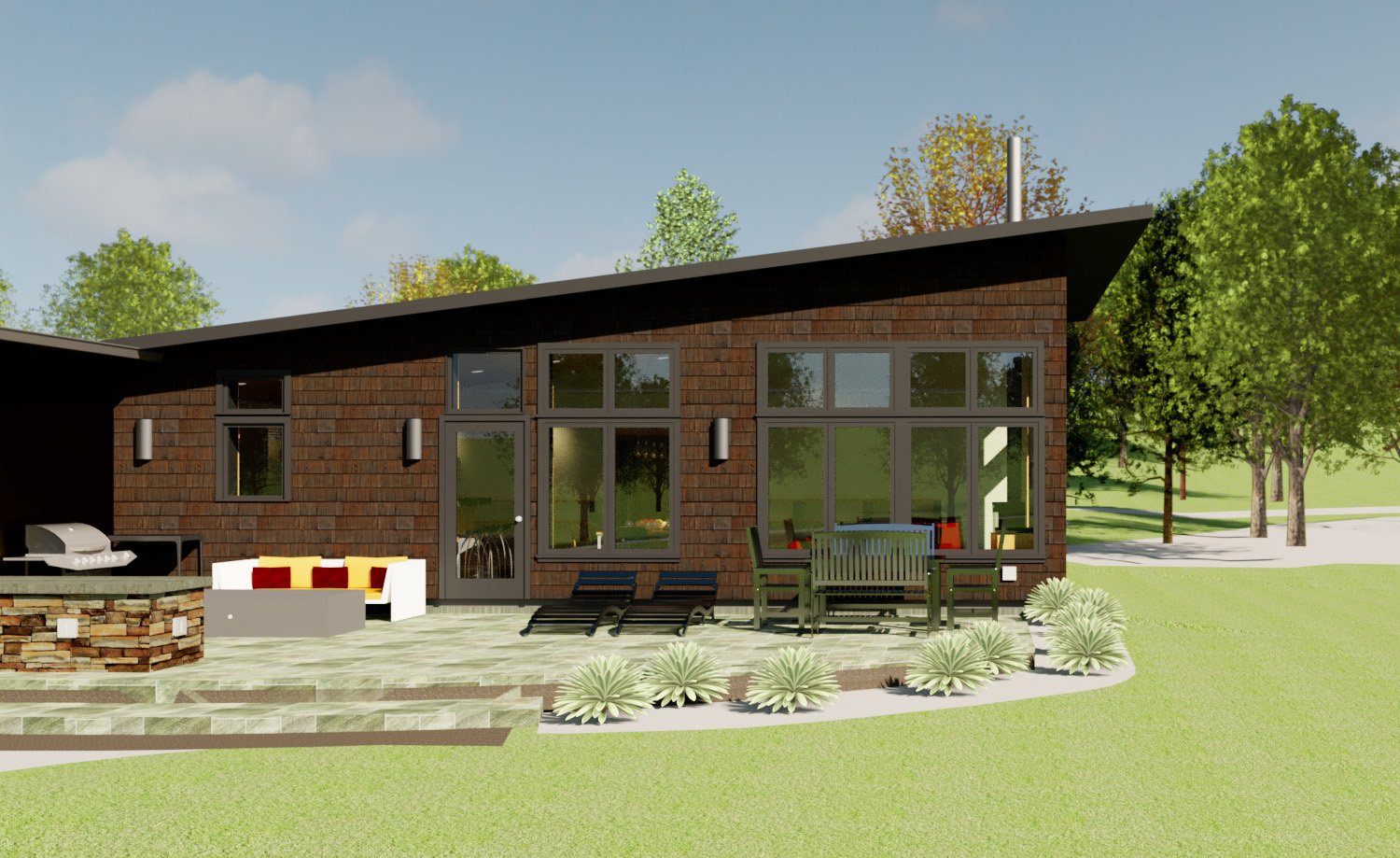
In Vermont's beautiful hills and valleys, home design blends New England tradition with practical solutions for our four-season weather. At Arocordis Design, we see emerging 2025 home design trends to share with Vermont homeowners wanting modern-inspired homes that connect to our traditions yet respect the environment and our green mountains.
The New Vermont Look: Fresh Takes on Tradition
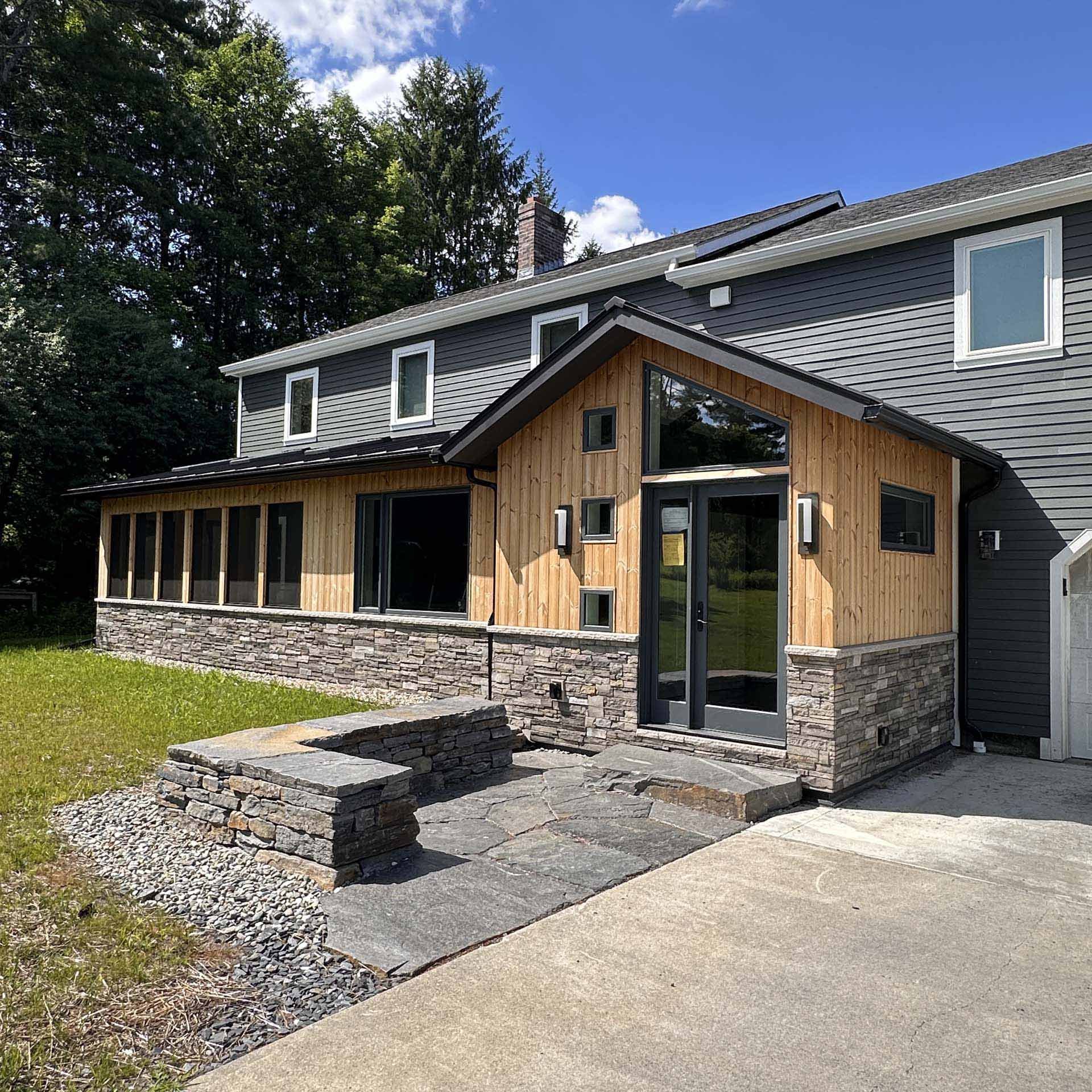
Drive down any Vermont back road and you'll spot the change. The classic Vermont farmhouse is getting a modern update. This does not discard our building history adds to it.
Vermont homeowners still love the modern-farmhouse style, but with simpler, cleaner modern-inspired designs. You can see this in:
Metal roofs in more colors than just red and green
Black window frames that pop against white siding, natural wood, or fade into dark gray or black stain or paint
Creative roof shapes and window placements
Three season porches and outdoor spaces for better living and gathering.
These homes feel both timeless and modern—clearly Vermont, but fresh for the years ahead.
Open Living Spaces That Make Sense
Open floor plans remain popular in Vermont homes, but we design them more thoughtfully now. Today's open spaces create distinct areas that flow together while serving different purposes.
At Arocordis Design, we create open living areas as a series of connected spaces—gathering spots for family time, quiet corners for reading, dining areas that work for both everyday meals and special occasions, and kitchens where people can cook and socialize.
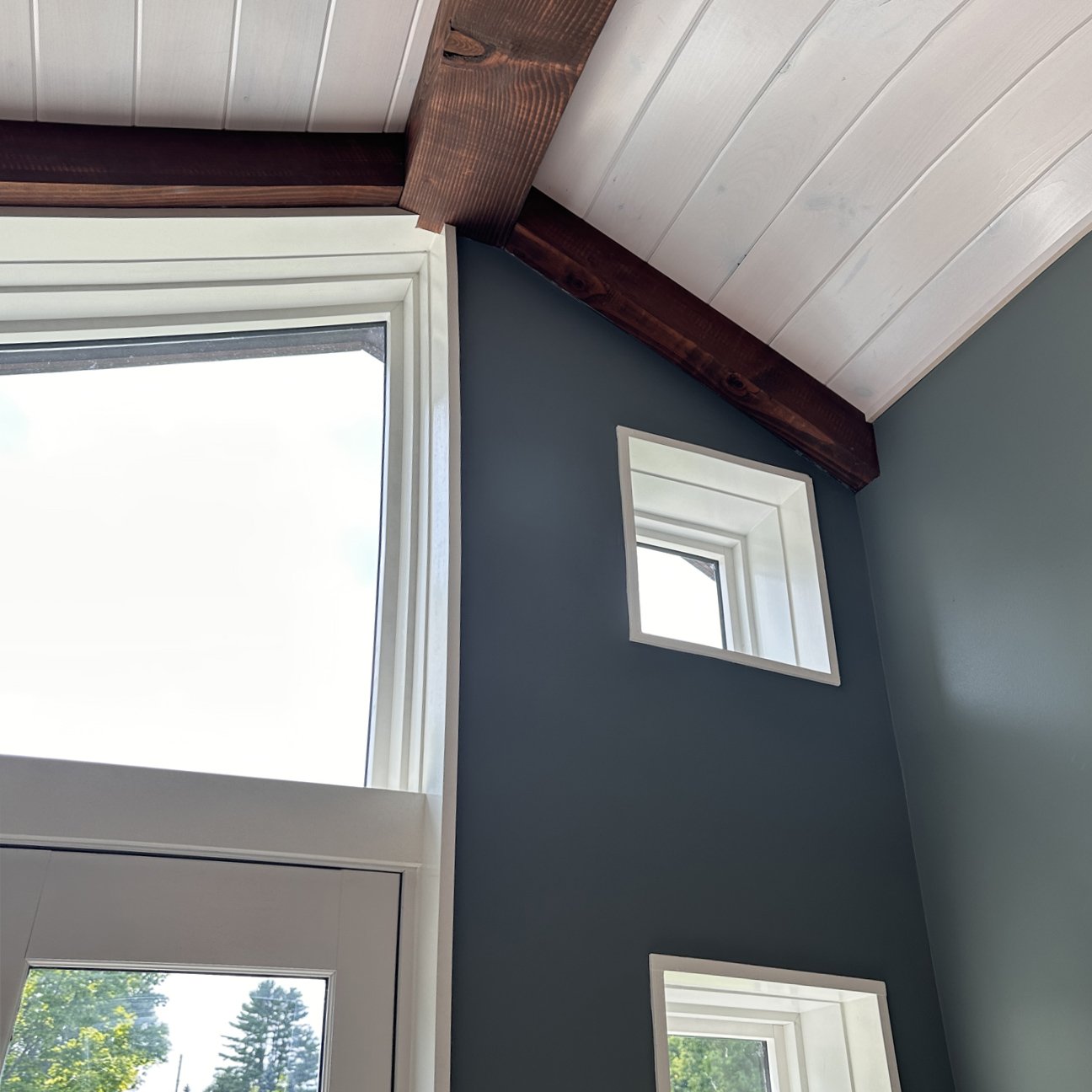
Sound matters in these open homes. We use special ceiling treatments, exposed timber, and sound panels, soft furnishings, and smart material choices to control noise. This lets a family cook, do homework, talk, watch TV, and enjoy music all at once without too much noise.
A well-designed open living space helps family members connect visually while still doing their own activities or joining together in group fun near each other.
Lighting That Works for Vermont Living
In Vermont, where winter days are short and summer evenings are long, good lighting does more than just help you see. It shapes how your home feels, highlights distinctive features, creates mood, and supports different activities throughout the day.
A good lighting plan for a Vermont home thinks about:
How natural light moves through rooms in different seasons.
How spaces change from day to evening
The specific needs of each room
How different lighting creates different feelings - ambient, task and accent
The kitchen, often the heart of the home, needs layers of light, good views, and natural daylight. Work surfaces need bright light, under-cabinet lighting adds glow, and well-placed hanging lights create focal points. This makes a kitchen that works well for cooking but also feels cozy for gatherings.
For art collectors, the right lighting brings artwork to life. Adjustable track lights, recessed fixtures, and wall washers show off textures and colors that flat lighting would miss.
Throughout the home, thoughtful lighting creates warmth and togetherness during Vermont's long winters. Warm LED lights, dimmers, and well-placed lamps create layers of light that you can adjust to different moods and activities. Smart controls can set the perfect scene with one touch, whether from a wall switch, or your phone.
Bringing the Outdoors In: Connecting with Vermont's Nature
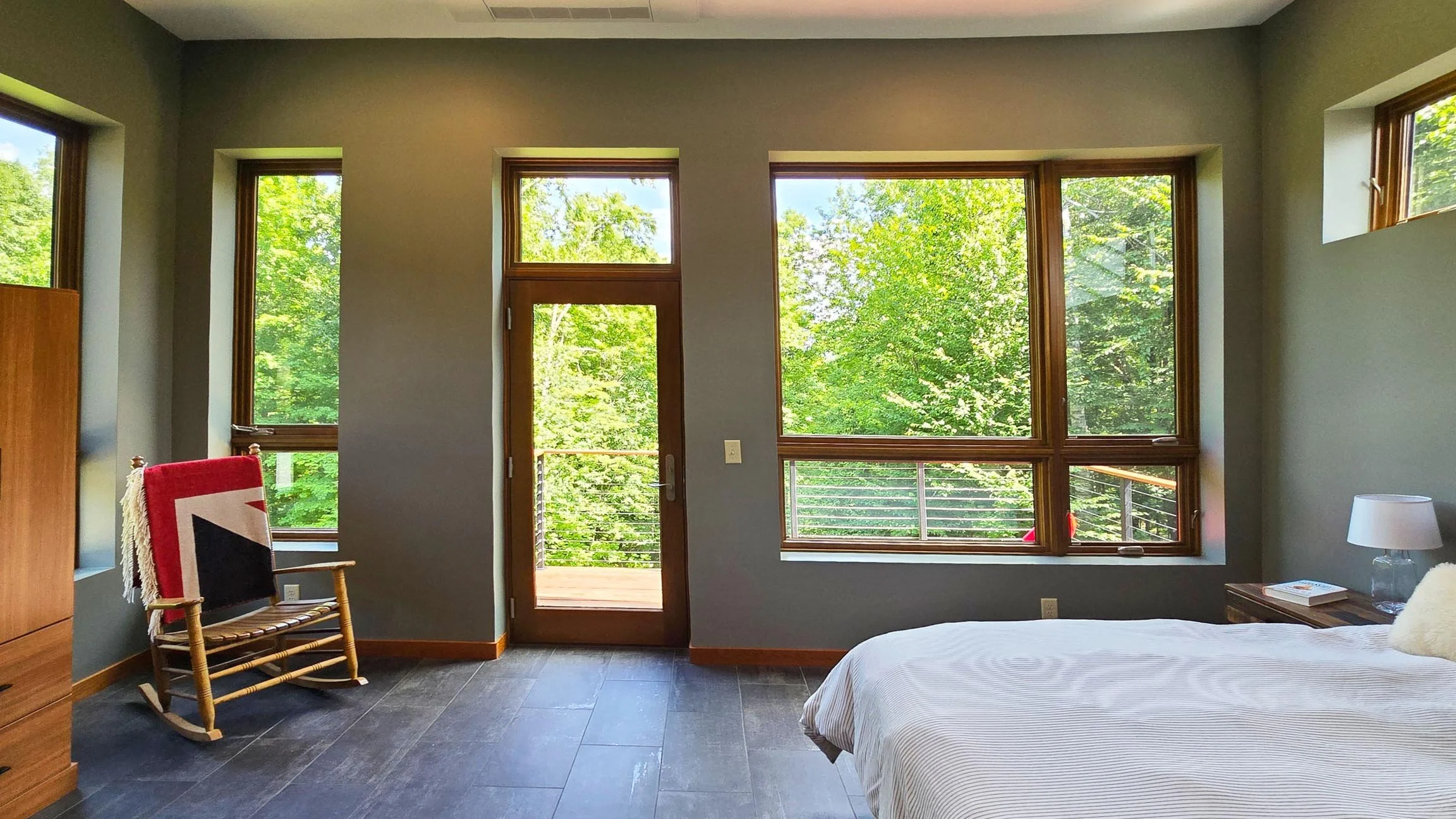
The most important part of modern Vermont home design is connecting indoor and outdoor spaces showcasing nearby natural features and views. Vermont's beauty is not just a backdrop, it is part of how we actively experience our homes.
We create this connection through:
Windows frames specific views and that can show seasonal changes.
Spaces like covered porches and outdoor living areas that extend your home into the landscape.
Using similar materials inside and outside to blur boundaries.
Landscaping that brings nature close to native plants and wildlife-friendly features.
Indoor and outdoor lighting adding warmth and connective ambience.
At Arocordis Design, we see each building site as a chance to create a conversation between architecture, landscape, sunlight, and views. We often place homes to catch morning light in the kitchen, or bedrooms, frame mountain views from living spaces, and shelter from prevailing winds—all while fitting naturally into the surroundings.
This indoor-outdoor connection is not just visual. We position windows for cross-breezes to bring in fresh air and the sounds and smells of Vermont. Doorways sized and placed to encourage movement between inside and outside spaces invite spontaneous outdoor living. The result is a home that changes with the seasons while protecting you from harsh weather.
Building Tough: Design for Vermont's Changing Climate
Vermont's weather is becoming more unpredictable. Recent years have brought weather patterns that stress our homes in new ways. Because of this, resilient homes have become a top priority for us.
At Arocordis Design, we think about resilience in our design as a core theme:
Weather resilience means creating homes that can withstand erratic freeze-thaw cycles, high winds, and changing moisture patterns. Our plans include extended roof overhangs, robust water management systems, and durable materials.
Energy resilience means reducing dependence on external systems through passive solar design, superior insulation, and renewable energy. Often, Vermont homeowners want battery storage with their solar arrays and generators to keep essential functions running during power outages. We help them place these systems safely while providing the backup power they need.
Lifestyle resilience means homes that adapt to changing needs. Multi-purpose spaces, first-floor bedrooms, and accessibility features allow Vermont homes to serve their owners through different life stages. We call this forward-flexible design. Does this resonate with you?
Sustainable Choices That Make Sense
Sustainability has long been important to Vermonters, but our approach goes beyond just saving energy. Today's sustainable home design includes material choices, green construction methods, operating affects, recyclablity, and long-term adaptability.
The most thoughtful Vermont home designs consider:
Effective building orientation, energy efficiency, and climate positive design.
The full lifecycle of building materials, favoring those with clear environmental benefits and local sourcing favoring nearby artisans and makers.
Reducing construction waste through careful planning.
Water conservation through efficient fixtures and easy to care for native landscaping.
Indoor air quality through careful material selection and good ventilation.
At Arocordis Design, we see sustainable design as basic to the practice of great architecture. Every decision—from which way the house faces to what windows we specify—has countless environmental benefits and effects that we think about and think through.
Embracing Multi-Generational Living: Connected Yet Independent
Designing homes to accommodate multiple generations is a growing trend in Vermont's residential architecture. We continue to experience a rise in the demand for thoughtfully designed accessory dwelling units and flexible spaces for extended families. Practical concerns and deeper values are both addressed in these multi-generational designs. Sharing housing in Vermont eases the strain of high housing costs by letting families combine finances while respecting privacy.
In addition to economic benefits, this approach fosters stronger families and communities. Grandparents maintain independence yet have easy connections to their adult children and families. They may even be available to provide childcare, adult children save money while supporting aging parents, and the whole family enjoys shared meals and daily time together. Multi-generational home design requires careful consideration of accessibility, added entrances and bathrooms, well sized living spaces, noise reduction, and circulation patterns to meet individual needs while encouraging family togetherness.
Start Your Vermont Home Journey Here
Whether you want a custom new home with modern-farmhouse style, want to renovate a historic property with modern features, and aim to create a more resilient and sustainable living environment, the process starts with thoughtful design and planning.
At Arocordis Design, we bring deep Vermont knowledge to each project, combining local expertise, decades of experience and connections with consultants and trade partners. We understand that your home is more than a building, it is where life's most important moments happen. Let us guide you into your future!
Ready to Build Your Vermont Dream Home?
Contact Arocordis Design today for a consultation. Our team creates modern-inspired home designs that blend innovation with tradition. Call us or visit our website to begin your journey toward a home that is uniquely yours yet connects to the Green Mountains of Vermont and recent design trends.
**Disclaimer:** The information provided in this post is for general informational purposes only and does not constitute professional advice. Please consult a licensed architect or qualified professional in your area for guidance specific to your situation.
From Ashes to Architecture, A New Home Rises: Modern Farmhouse Reborn
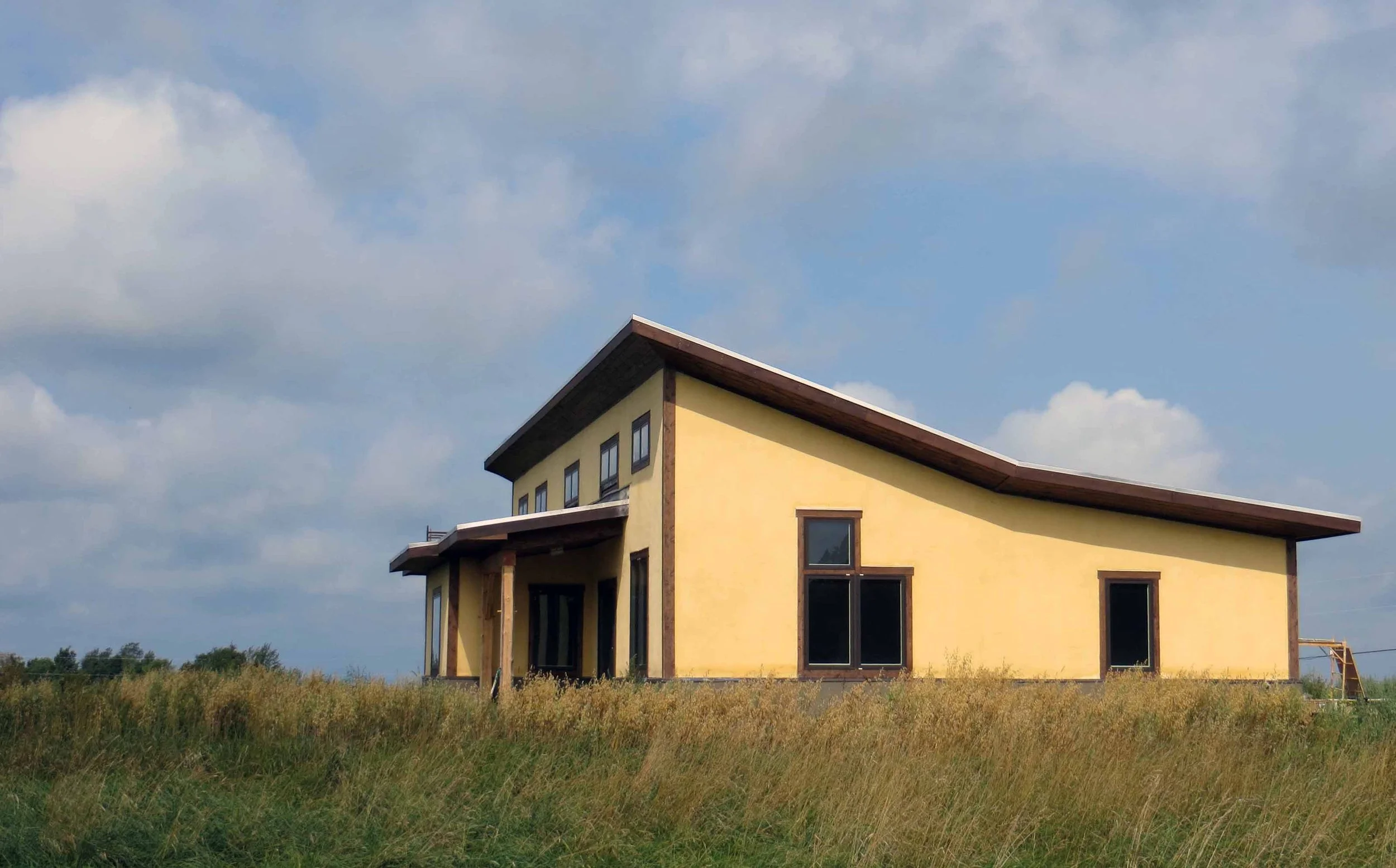
In the hills of Central Vermont, a historic 1850s farmhouse once stood as a symbol of family heritage. When fire claimed this beloved home early in 2024, it threatened to erase generations of precious memories. Our Vermont architectural firm, Arocordis Design, is now helping this family create a new chapter in their story through thoughtful custom home design that connects their rich past to an exciting future….
The Generational Power of Home Addition Design in Vermont
In recent years, many of our clients with growing families in Vermont face a daunting challenge: They need more space for their families, but buying a new home is often too expensive in the towns and cities they live and their choices for home addition design and renovations are unclear to them. There is also a lack of housing supply so dramatic it may take a generation to catch up.
Mastering Residential Green Architecture: An Essential Guide
Discovering Residential Green Architecture
At Arocordis, our focus is to combine creativity and collaboration to create designs that are as thoughtful as they are functional. But what do we mean by thoughtful design and residential green architecture? Well, we mean design that takes the interests of the landscape, ecosystem, and community into account as well as the needs of our clients– because we take our responsibility to the planet and the people who live on it seriously.
There are many different ways to describe the above principle, including climate responsive design, sustainable design, green home design, and more. Today, we’ll be calling this principle green architecture.
Just like there are many different approaches to architecture on the whole, there are a variety of ways to approach green architecture as well. In fact, it’s a topic that’s quite complex, because the truth of the matter is that being human in western society takes quite a lot of energy– and the same is true for the homes that we live in.
However, there are plenty of ways we can reduce the impact we have on the environment through design that’s thoughtful.
In this article, we’ll be discussing residential green architecture, including what it is, why it’s beneficial, and how to utilize elements of it in your own life. Let’s dive in.
What is Residential Green Architecture?
Green architecture refers to a sustainable approach to designing and constructing buildings that focuses on minimizing environmental impact through energy efficiency, sustainable materials, and thoughtful site design. This type of architecture considers the full life cycle of a building, from design and construction to operation and eventual demolition, aiming to reduce its overall carbon footprint and resource consumption.
In Vermont, insulation is a particularly important factor in a design that’s green, as given the state's cold climate, higher insulation levels are important to maintaining energy efficiency all year round. That improves comfort when it is hot or cold, and helps save money.
We discuss more about climate-positive residential architecture in Vermont here.
Benefits of Green Architecture
While we know that green architecture certainly benefits our climate, there are additional benefits to designs that make sustainability its focus, including:
Energy Efficiency: A large portion of green building design is creating spaces that lower energy consumption through better insulation, air-sealing, solar orientation, and efficient HVAC systems.
Cost Savings: When a space is energy efficient, utility bills are reduced due to the design changes. Other savings are available from Efficiency Vermont incentives to homeowners, or Tax credits.
Health and Wellbeing: Improved indoor air quality and natural lighting contribute to better health for occupants. Also indoor and outdoor connections enhance connection to nature and have positive psychological impacts.
Economic Benefits: A large portion of designing a space considered “green” is where its materials are sourced from. Local sourcing supports local economies keeps money in the community. It also reduces both transportation related emissions and costs.
Components of Green Architecture
There are endless factors to consider when designing a space that’s green– each of which could be discussed at length. For the purposes of this article, we broke them into three parts, as follows:
Retrofitting Existing Homes: Most of the time, the greenest architectural approach is to buy an existing home and retrofit it with sustainable features rather than starting from scratch. This reduces embodied energy, or, the total amount of energy required to produce a product or material throughout its life cycle. It also helps reduce sprawl and strengthens existing communities.
Upcycling Components: Utilizing building materials and components from surplus warehouses, like Mason Brothers in the Burlington Area, reduces waste and incorporates unique, reclaimed elements into new builds or renovations. Such reuse can lower the carbon footprint of a project.
Site Design and Planning: From the start, there are ways to design homes and major additions in a way that works well with its surrounding natural environment– including positioning the home or added square footage and new living spaces to maximize the passive heat energy it will naturally absorb from the sun. This also includes positioning the addition or new home near due south as possible. This of course depends on the internal space uses and or tie ins to the existing home. This helps maximize access to daylight. Arocordis’ principal architect, Stephen Frey, writes more about the positioning of the home in an article he wrote for Metropolis Magazine. Check it out here.
What You Can Do to Implement Principles of Green Architecture
Implementing principles of green architecture doesn't necessarily mean starting from scratch. Here are some actionable steps anyone can take:
For an existing home, get a home energy audit with a blower door test. Contact and hire an Energy Auditor to examine your home’s existing insulation levels, quality of windows and doors, air-tightness and current status and efficiency of heating, cooling, and plumbing systems. This sets the baseline for weatherization upgrades to combine with other addition and renovation projects we plan together.
Insulation: Improve your home's insulation with environmentally friendly materials like dense pack cellulose or wood fibers.
Local Materials: Use locally sourced materials to reduce transportation energy and related costs. It keeps money within the community as well.
Upcycling: Incorporate reclaimed materials from surplus warehouses or salvage yards.
Energy Efficiency: Invest in energy-efficient appliances, windows, and HVAC systems.
Solar Orientation: Design or modify your home to maximize natural light and solar heating.
Community Focus: Support policies and initiatives that promote building in villages, towns, and cities to reduce sprawl and transportation costs.
Adapting to Changing Regulations
As we continue to develop new technology and learn more about our planet, the standards for what’s considered “green” is constantly changing. The best thing you can do to stay up to date is to keep yourself informed about your local land use and zoning policies, such as Act 250 in Vermont. That is a program that increasingly emphasizes building in more populated areas to limit sprawl and transportation costs to align with sustainable development goals.
The Affordability Question, a Shift in Mindset
While many sustainable choices can add expense, sustainable living doesn't have to. Simple changes or shifts in mindset on wants and needs can have a big positive impact on project costs, comfort, and long-term value.
One example of many, choose a full or queen-sized bed over a king-sized one. This can have an outsize ripple effect on energy consumption and resource use in your home and also help reduce overall square footage costs in a home, as well as provide future furniture rearranging options.
In the queen vs. king-sized bed scenario above, for example, if you opt for a queen-sized bed over a king-sized one, it leaves an extra few feet of space on either side of the bed. This means means theoretically you can design a smaller bedroom. Depending on the number of bedrooms and their uses, this might reduce square footage by 10-20% in this category. This can reduce costs and boost affordability.
Avoiding Cost Multipliers
Again, working with existing homes to renovate or add on to enhance livability often is much more affordable and sustainable for a family. It avoids the added costs to buy land, clear a site, build driveways, and bring power to a site. All of this precedes the cost of building the actual new custom home.
As architects, our role is to creatively guide clients towards making the most sustainable and affordable choices for their homes with long-term value and livability in mind. Whether it's through renovations, new builds, or everyday decisions, it’s possible for everyone to contribute to a greener future.
Left with questions about incorporating principles of green architecture into your next project? We would love to chat.