

A short video where Stephen M. Frey, AIA, firm owner, and principal architect shares the origin of our name and our approach to inspired residential design and planning. Part of new occasional series on design.

Is your home a source of stress or a sanctuary? Discover the principles of The Intuitive Home by Arocordis Design. From acoustic zoning to flicker-free lighting, this Vermont architect’s guide explores how to create a 'Sensory Friendly Home' that supports Autism, ADHD, and Aging-in-Place for a lifetime of well-being.
Harvest Time - Fall brings the gifts of the season forward. So to do we with an update on recent work here in Vermont, some in design, others under construction or now finished. We are grateful to help our clients and their families into their next stage of life with their additions, renovations or new custom designed homes.
Across Vermont, from the Champlain Valley, Central Vermont, to the Northeast Kingdom, families are rediscovering the benefits of living together, spanning generations under one roof. Whether it’s welcoming aging parents with grace, creating a supportive haven for adult children or other family members to stay, or simply choosing a more connected and sustainable way of life, multi-generational homes are an enduring part of Vermont’s values of family and community.
These aren’t just houses; they are homesteads in the making, designed to share resources, strengthen bonds, and deepen our connection to this special place we call home. But creating a home that truly serves….
When deciding between home renovation with additions or custom new construction, families in Central Vermont and beyond often face an important crossroads with no clear answers. At Arocordis Design in scenic Montpelier, we guide families through creating homes that truly reflect their needs and dreams, whether through thoughtful addition and remodeling design or new custom home design.
Homeowners frequently ask us whether they should renovate their existing space or opt for new construction. Four key considerations influence this decision:
·Low-interest rate mortgages make selling and buying new property less appealing.
Growing families need more comfortable living spaces……
In the hills of Central Vermont, a historic 1850s farmhouse once stood as a symbol of family heritage. When fire claimed this beloved home early in 2024, it threatened to erase generations of precious memories. Our Vermont architectural firm, Arocordis Design, is now helping this family create a new chapter in their story through thoughtful custom home design that connects their rich past to an exciting future….
A short video where Stephen M. Frey, AIA, firm owner, and principal architect shares the origin of our name and our approach to inspired residential design and planning. Part of new occasional series on design.
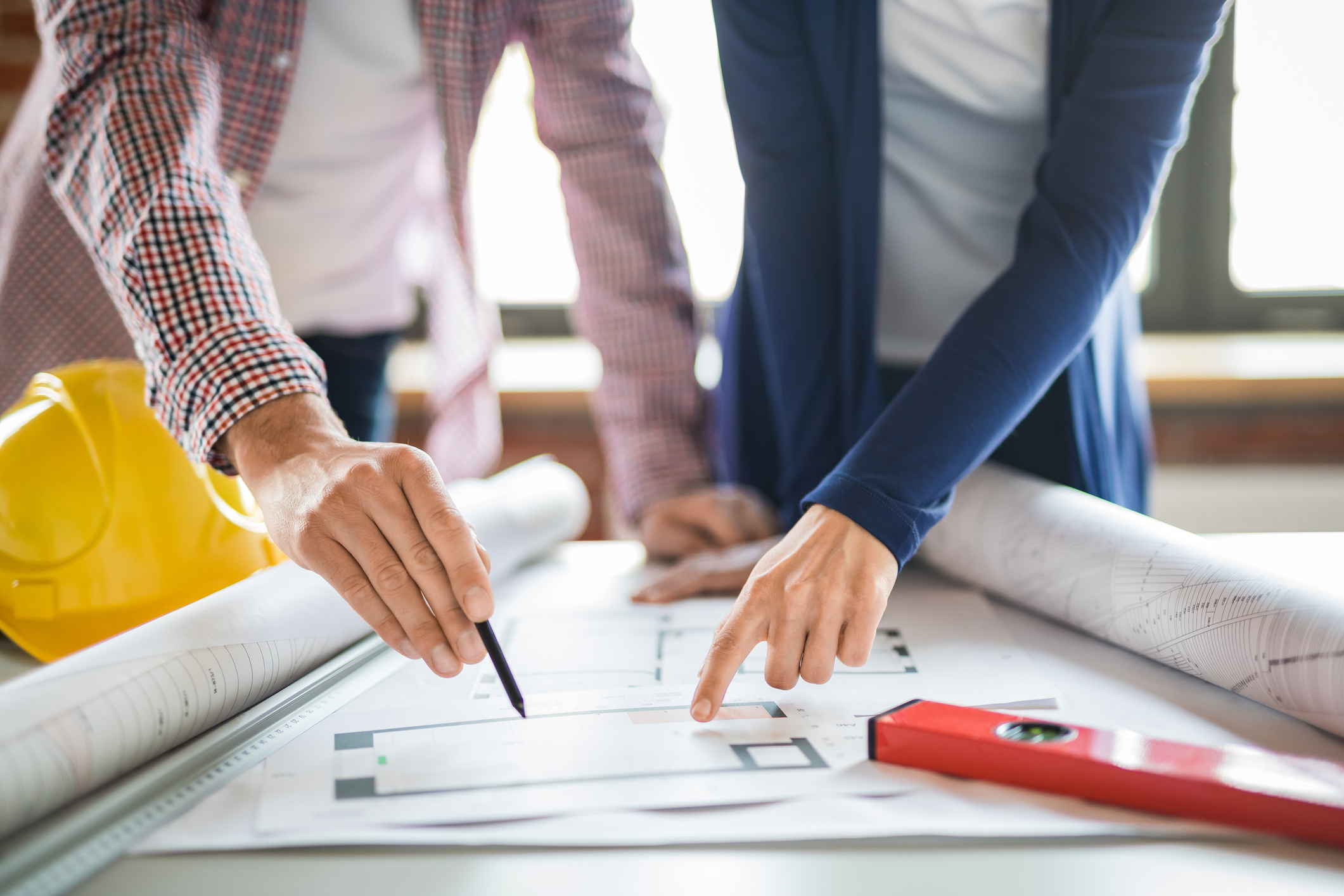
Looking for a creative architect in Vermont to help you with your home design and planning project? Read on for more about Arocordis Design, how we work and why working with professional architects matters. With costs so high with often limited availability of homes to buy and fixup or land to buy to build on, expert assistance can really help. Read on for more.
Are you looking to design and build a new home, or a major renovation or addition in Vermont? Are you curious about current trends in modern green home design to consider when working with an architect but do not have the time? While working with recent clients and surveying the marketplace, we have collected together some insights you might find helpful to make that easier. There is a lot going on right now with exciting innovations. Let's look together.
With home design trends, Vermont is well ahead of the curve. As a state, we have always been at the forefront of environmental consciousness and that extends to our homes as well. We see a move away from traditional home design and forms, with an embrace of more modern styles that reflect changing Vermont values. These new designs may be rooted in the traditional forms of Vermont barns, and farmhouses, but look also to modern forms, materials, and approaches fusing together old and new.
Across the generations seeking residential architectural design in Vermont and nationally, there is growing interest in modern spirited design from the mid-20th century. Perhaps it is nostalgia for earlier, simpler times or less adorned home design? It is hard to tell. However, this approach and style align well with interest in green eco-conscious home design with a less is more approach.
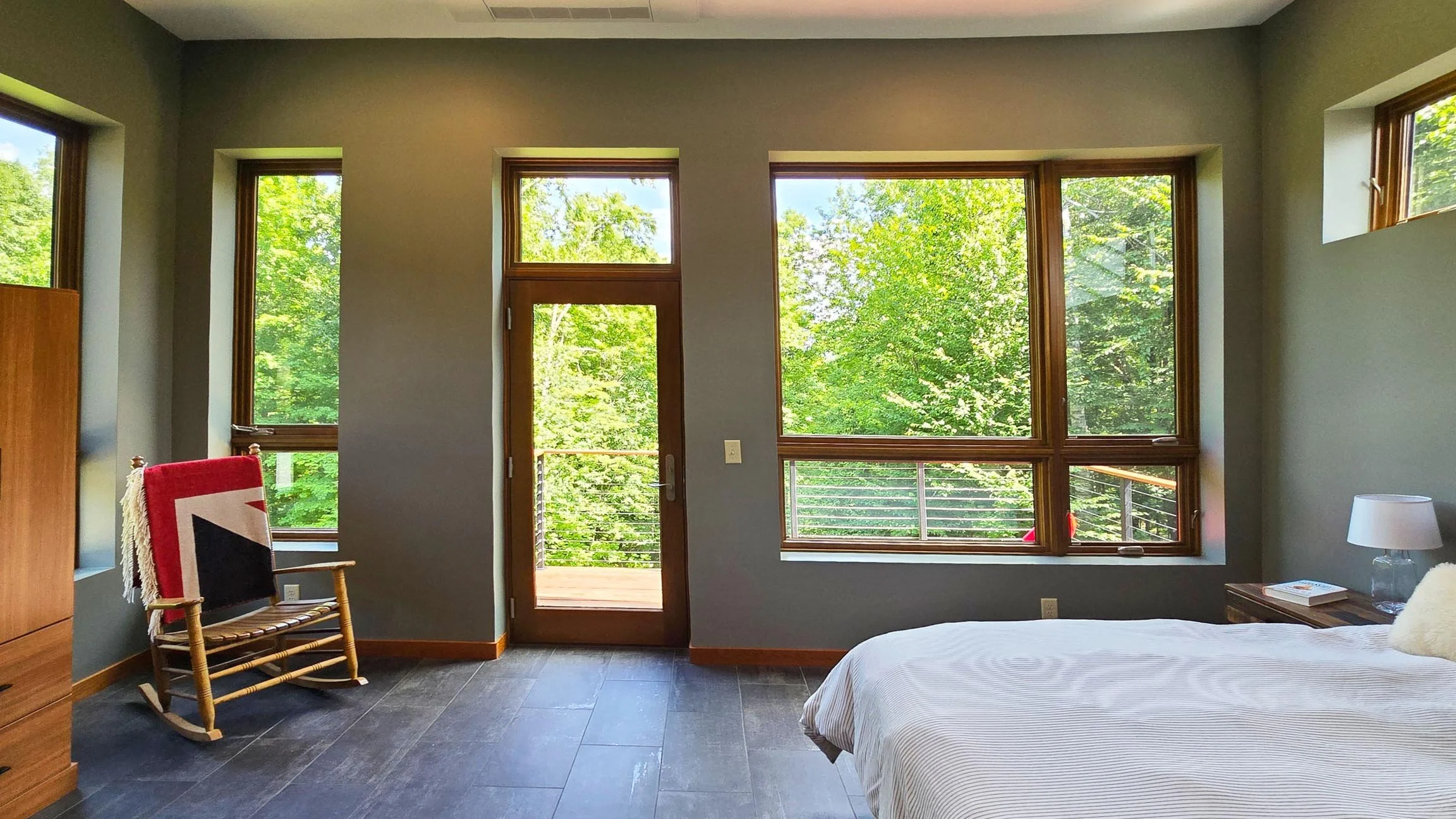
One of the most important aspects of any home design is how it interacts with its surroundings. With its hills, valleys, mountains, and water bodies, Vermont has some of the most beautiful natural scenery in the world. This is especially so in our more rural areas, but also in our cities and villages. In Vermont, take advantage of this to not only fit in but also enhance their surroundings. Some trends to consider are capitalizing on exterior views in interior space and deck design, creating outdoor rooms for leisure and sports activities by planting trees and vegetation and using local fieldstone with native plantings for outside terraces and walls.
Another recent trend involves homes' size and changing patterns of use. Here in Vermont, we see a move away from large McMansions and a return to smaller, more efficient homes that make the most of their environment. For example, many of the new homes we design range in size from 2 to 4 bedrooms and 1,000 to 2,500 square feet above ground space. See Fieldhouse, Wing-house, and Mountain-Meadow NetZero Ready for examples.
Along with smaller size, with our work with clients, we continue to see a demand for flexible living areas unified by airy open ceilings combining kitchen, dining, and easy-living spaces. Increasingly, clients need to work or do school-type activities at home with the growth of remote work because of the Pandemic. Bonus spaces over garages or in full or partial basements help supply needed space for these new patterns.
Another changing home use pattern involves co-living and accessory dwelling units. Also can include multiple generations or siblings together. With Vermont's recent radical increases in housing costs and costs of living, some clients seek to welcome additional family or friends to live with them and share their homes. It is called co-living. This means multiple generations living together under the same roof and sharing resources. This may include older parents coming to live part-time to help with young children, recent working college graduates wanting to save money, or close to retirement age and wanting to downsize from larger homes.
Enhancing co-living options may involve adding to an existing home with a self-contained living unit, or sometimes, a detached accessory dwelling unit. An added side benefit where permitted, homeowners can rent these spaces out to guests for extra income using Airbnb or VRBO or similar.
With our cold winters and eco-oriented culture in Vermont, there is a big focus on building for energy conservation and energy efficiency. Our residential building code mandates it in fact. The code minimum today is 50% better than it was 20 years ago. This impacts insulation levels of walls, slabs, roofs, windows heating, and cooling systems. With the market and advances in the energy code, we continue to see a move away from traditional heating systems such as oil and propane and towards greener alternatives. They can include geothermal, ground source or air-to-air heat pumps, and solar, with innovations such as whole-home batteries.
The batteries also offer a practical alternative to diesel generators to help power homes during power failures driven by Vermont's weather. With the cost of these systems coming down and builders' familiarity with these systems, it is now more affordable than ever to heat your home sustainably. These systems also help homes be more adaptive to climate change and increase the resiliency of your property.
Those system choices are further improved when combined with better windows and doors, more exterior insulation, and attention to air sealing. Also, whole-home ventilation, and careful attention to selecting low-embodied carbon materials further help to improve comfort, health and wellbeing, and climate-positive integrated design.
Thinking and acting locally is another trend that is also good for the planet and local communities. In the interior of your home, there are many Vermont-made products that can help make your home not only beautiful but also eco-friendly. We continue to see a trend toward using more local and sustainable materials such as wood, stone, paints and coatings, and countertops. In fact, like our world-class scenery, we have world-class local craftspeople and makers that help local builders supply competitively priced custom cabinets, decorative metal railings and fixtures, stonework, lighting fixtures, and more. These materials not only add beauty to your home but also help reduce your carbon footprint and keep dollars in our local communities.
There is also a trend toward using more natural colors and finishes that reflect the Vermont landscape and its four seasons. We are seeing a move away from synthetic materials and towards natural fibers such as wool, cotton, and linen. These materials not only look and feel better but are also better for the environment.
Given the scarcity of local labor, busy firms, and high costs of residential construction, we see the trend continue to embrace mixed approaches to building. This includes the use of prefabricated and modular elements along with traditionally onsite stick-built custom construction. Builders we work with can build more projects at a higher quality level with this approach. Prefab and modular construction offer the option to build portions of a home in the controlled conditions of a factory or shop. This can allow builders to build projects more quickly and or free up onsite staff to focus on higher quality finish work inside the home or around it. We see this trend continuing in the years ahead.
Finally, we are seeing a trend towards using more energy-efficient appliances and fixtures in the kitchen and bathrooms. These products not only save you money on your utility bills but also help to reduce your carbon footprint and reduce water usage. On the trend with smaller home design, there is a growth in compact, space-saving, or stackable low-water and electricity-using models.
So, if you are looking to build or renovate your home in Vermont, there are many exciting trends to consider. These trends not only reflect our Vermont values but also help to make our homes more sustainable and energy-efficient. If you are interested in learning more about these trends, or if you would like help designing your dream home, major renovation, or addition, please contact us. We would be happy to help you navigate the exciting world of modern green home design.
Thank you for taking the time to read this article! We hope this was informative. If you have questions, please contact us. We would be happy to help in any way we can.
Or if you would like to return to our portfolio of projects and see new and recently constructed work, please click on the below.
Continuing the planning theme from the previous post please enjoy the following short video where we explain the ins and outs of residential master planning.
In the process or just starting, If you are located in Vermont or own property here and you want to get residential work done during next year’s building season, there is no time like the present to start

Welcome to the Arocordis Design blog. Here, we share insights, case studies, and articles regarding our residential architecture practice in Vermont and beyond. This guide, updated for Winter 2026, reflects the current economic, energy, and permitting landscape for high-end residential design.
Building or renovating a home is one of life’s most significant investments. Whether you are a local family or moving to Vermont for semi-retirement, we guide you through the journey. With construction typically taking 1 to 2 years from initial sketches to move-in, careful preparation is the difference between a successful build and a costly setback.
Thorough upfront planning with a licensed Vermont architect can save months of delays. In the complex 2026 market, effective planning helps:
Protect Your "North Star" Vision: We ensure the final build matches your original dream.
Mitigate Hidden Risks: We identify site constraints, like Vermont's unique ledge or environmental conditions, before they become "change orders."
Navigate Vermont Permitting: We help manage Act 250 requirements and local municipal approvals in the towns and villages we serve.
Reduce Construction Stress: Clear documentation means fewer questions for the builder and fewer headaches for you.
For a standard VT RBES 2024 compliant 2,000-square-foot home (3 beds, 2.5 baths), your base investment will likely range from ~$800,000 to $1,200,000, or more. Please note, this does not include professional archictural and engineering, builder preconstruction fees, or other consultant fees, as well as, costs for permits, or other specialized requirements due to your site, location and other local factors.
Pro-Tip: Why the 2024 RBES matters. As of late 2025, compliance with the updated Vermont Residential Building Energy Standards is mandatory for new construction. While it increases upfront costs for higher-performance, but now standard, insulation and airtightness (typically adding ~$20k–$40k), it significantly lowers long-term operational costs and increases home value. This impacts peace of mind.
Key budget factors to include in your planning:
Site Infrastructure & Permitting: Land clearing, driveways, and septic systems (critical for rural Caledonia or Orange County lots).
Modern Outbuildings: Custom garages and flex spaces generally run $200–$300/sq ft.
Energy Performance: Choices between Net-Zero, Passive House, or "Pretty Good House" standards.
Financial Contingency: We strictly recommend carrying 10-15% cost contingency to account for the evolving 2026 material market and project unknowns.
For our clients in or near retirement, we focus on Aging-in-Place adaptive design. This ensures your "forever home" remains functional and beautiful through every life chapter.
What level of sustainability fits your goals? We help you navigate choices between:
All-Electric & Net-Zero Ready
Climate Positive Materials
Smart Home Integration: Mechanical and electrical systems with internet-enabled controls.
For families in their 40s and 50s, we often design for the "sandwich generation"—creating ADUs (Accessory Dwelling Units) or guest suites that serve adult children today and aging parents tomorrow.
At Arocordis Design, we provide full-service architectural and engineering coordination across:
Washington County: Berlin, Montpelier, Fayston, Waitsfield, Waterbury and Calais.
Lamoille County: Stowe and Morrisville.
The Northeast Kingdom & Upper Valley: St. Johnsbury, Burke, Queechee, Tunbridge, and Woodstock.
Whether you are seeking a Modern Farmhouse aesthetic or a Scandinavian-inspired retreat, our process is designed to be transparent and rewarding.
Define Your Vision: Fill out our Residential Planning Questionnaire.
Analyze the Site: Schedule an On-Site Consultation to discuss constraints and possibilities, or a phone or video call.
Stay Informed: Subscribe to our newsletter for updates on local projects and Vermont design trends.
Disclaimer: The information provided on this website and blog is for general educational purposes only and does not constitute professional architectural, financial, or legal advice. While we strive for accuracy, your specific project requirements may vary; therefore, no architect-client relationship is formed until a formal written agreement is executed.
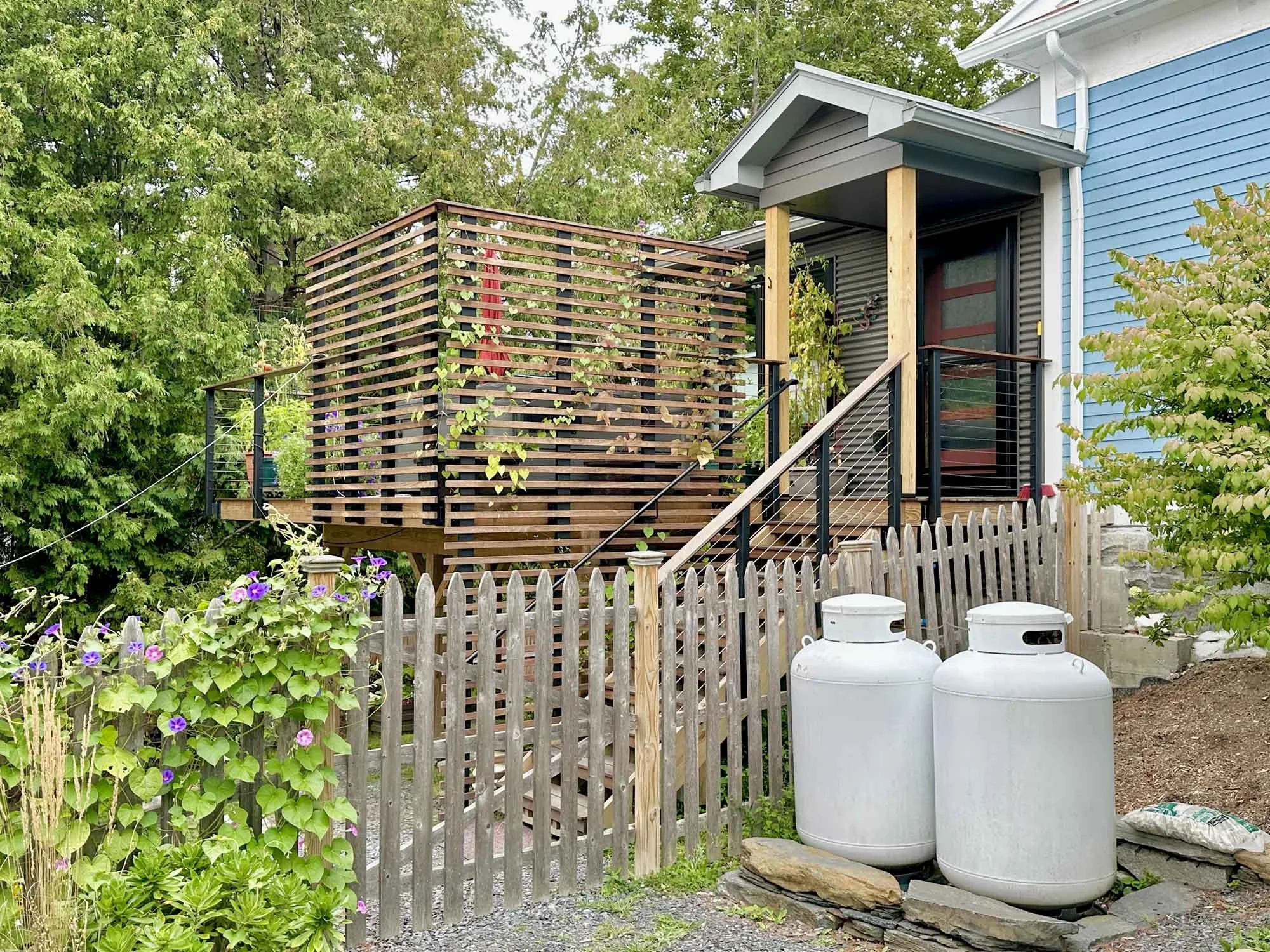
A family, who owns a classic Vermont farmhouse set up with a front-house, mid-house, back-house, and barn, hired us to provide architectural design and creative services. They asked us to design a solution to renovate the entry and kitchen area portion of their classic Vermont home.
Thinking about having a home designed this winter and built next summer? Did you know you have some options to deliver it and get it done? There are three major ways to do it. Custom-built, Pre-fab and modular. Depending on your level of need for design and development of your design, your budget and schedule for building all are valid ways to deliver your new home or addition. We have learned over the years there is no right way to build. It is an important conversation to have fairly early in your process though.
Pre-fabricated homes fall under two categories, modular and panel built. Both methods utilize factory-built processes of construction under controlled conditions with end products shipped to the site. They differ a bit in how turn-key the total system is and how much site assembly time and buttoning up is required. Both offer a high degree of control over the quality of construction, durability, and attention to energy efficiency details such as air-sealing and insulating the building enclosure.
Modular homes are built in individual boxes manufactured in a factory under controlled conditions and brought onto the site prepared in advance with roughed in site work, foundations and or concrete floor slabs. The boxes are positioned into place, connected and then finished inside and out with final trim, interior finishes, roofing and specialized interior features. Often there a wide variety of home plans and designs available but if a homeowner desires more personal attention and developing a more customized design working with an architect is essential, especially one familiar with the modular home design and construction process. If large vaulted ceilings are desirable in the design, the modular box fabrication in the factor must be adapted and sometimes there are limitations which sometimes makes penalized construction more desirable. There usually is a 12 day to 14 day production cycle for each home, so if unusual custom features are desired they usually happen on site if they don't fit into the regular cycle.
Panelized homes are also built in factories, but instead of boxes comprising of walls, floors and roofs like in modular homes, individual panel sections are built to exacting specifications of these elements off-site and delivered onsite for assembly and finishing by builders familiar with these techniques. The factory produced components are just in smaller sizes and more numerous than what is shipped on site with the boxes from Modular home manufacturers.In this article further clarifying the differences "panelized homes can be useful in building houses that don’t work neatly as modules and it can be just as structurally sound as other types of prefabricated building. Commercial prefabricated building is often done this way as it allows for wide open spaces and high ceilings. It is also much less expensive to transport a building in panels than in modules if it is large enough."
Custom-build homes unlike the prefabricated variety get built entirely onsite usually overseen by a home builder or contractor or in some cases, the homeowners them selves, The highest degree of customization is possible with this delivery method and opportunity for homeowner interaction throughout the building process. Since all portions will be built on site, the length of time is longer and more prone to being impacted by weather and seasons of the year. Where in the prefab route there's a lot of interaction in the beginning with architects, designers and factory personnel, and less so on site, there's a greater opportunity for interaction and collaboration between the homeowner, builder and architect with the custom-built approach.
Depending on the ability for owner pre-visualization in conjunction with architects and designers design stage use of advance 3D-design software such as AutoDesk Revit, SketchUp custom site built may have advantages. If there is less pre-visualization available the custom-built approach allows homeowners to experience and see their home emerge out of the ground. They see the various stages of work including site work, concrete work, framing assembled for roofs, walls and floors providing more and continuous interaction opportunities with builders to make changes along the way. While adjusting the design in this way may prove expensive and set back schedules, the customization helps ensure client satisfaction when it's the desired route to go.
Other factors such as cost, size, location and convenience features may impact your delivery approach. We like to ask you to consider thinking smaller is beautiful, less impacting the environment, easier to live-in, operate and manage over the long term. If seeking a home site, think empty lot in or close to town, not far out of town if possible to reduce your transportation costs and carbon footprint as well as boosting your convenience. Surprisingly privacy and remoteness can be designed into the details of your home layout and construction. Another factor to think about is planning for multi-generational living, ease of accessibility along with your home design process.
However, regardless of your delivery path its important to incorporate comfort and money saving energy efficiency features into your project building envelope, building systems and site design. While we have low energy prices today we all know tomorrow maybe another story. You can mange the volatility of long term energy costs by designing in operational predictability today by creating a high performing low energy using home fitting your budge and sustainability goals. That way you can focus on living well, not living poorly with doubt about future affordability. Peace of mind is important.
Contact us to learn more. We know of a variety of pre-fab, modular and custom-builders in Vermont and beyond we can recommend.
Want to learn more about professional architectural services? All you need to do is click on the below Learn More button. Fill out our simple form and we will respond within 24-hours. We hope to hear from you!
To see more examples of recent home design project work, go check out our project portfolio by clicking on the button below. There you will find a mix of recently completed built residential work, new builds, renovations, or home design projects now in progress. See our projects in Calais, Montpelier, Burke, East Montpelier, Hartland, Grand Isle and more. Here in this section of our site, you can also find examples of our growing collection of customizable net-zero ready prototype and spec houses. Our portfolio awaits your visit. Welcome home!